
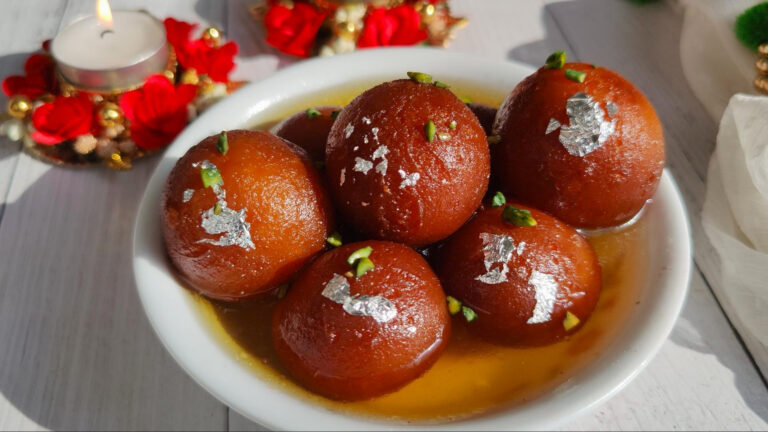
Homemade desserts bring warmth and happiness to festivals. Among these sweets, gulab jamun is especially popular for its softness and flavor. Some people, especially beginners, may feel unsure about making it at home because getting the right texture can seem hard. Luckily, a few simple tips can make it easier and more fun.
Moreover, rakhi with gulab jamun often becomes the highlight of the celebration, bringing together the sweetness of tradition and the joy of sharing a delicious dessert with loved ones. Freshly made sweets feel more unique and more likable than store-bought ones. Also, learning how to prepare the dough, fry the balls, and soak them can help you make soft, tasty gulab jamuns.
Easy Homemade Gulab Jamun Recipe for Rakhi Celebrations
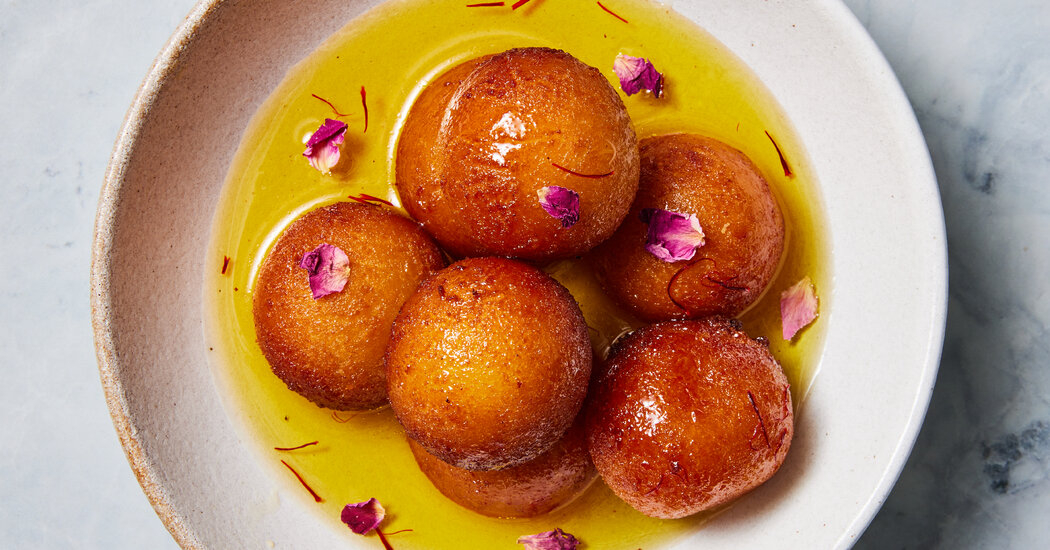
Gulab jamun may look like a difficult sweet, but it becomes much easier when each step is followed with care. The dough should be soft, the balls should be smooth, the oil should not be too hot, and the syrup should be warm enough for soaking. When these small details are handled properly, the result can be soft, juicy, and full of festive flavor.
Step 1: Gather All Ingredients Needed for Soft Gulab Jamun and Sugar Syrup
A good recipe starts with gathering all the ingredients. For traditional gulab jamun, you will need khoya or milk powder, all-purpose flour, baking soda, milk, and ghee. For the syrup, you will need sugar, water, cardamom, saffron, and rose water.
Getting everything ready early can make cooking easier. Using the right amounts of each ingredient helps the sweet turn out with the desired taste, texture, and consistency. Fresh ingredients also improve the taste and quality.
Step 2: Choose the Right Base for Better Texture
The base ingredient plays a big role in how soft the gulab jamun becomes. Khoya gives a rich and traditional taste, while milk powder is easier to find and works well for home cooking. Both can make delicious gulab jamun if the dough is handled gently.
If you are using khoya, make sure it is soft and fresh. Dry or crumbly khoya can make the dough harder to shape. If you are using milk powder, add milk slowly so the dough does not become too sticky.
A few helpful points to remember are:
- Use fresh khoya or good-quality milk powder.
- Add liquid slowly instead of all at once.
- Avoid making the dough too tight.
- Keep the dough soft but not wet.
This small choice can make a big difference in the final texture.
Step 3: Prepare the Aromatic Sugar Syrup
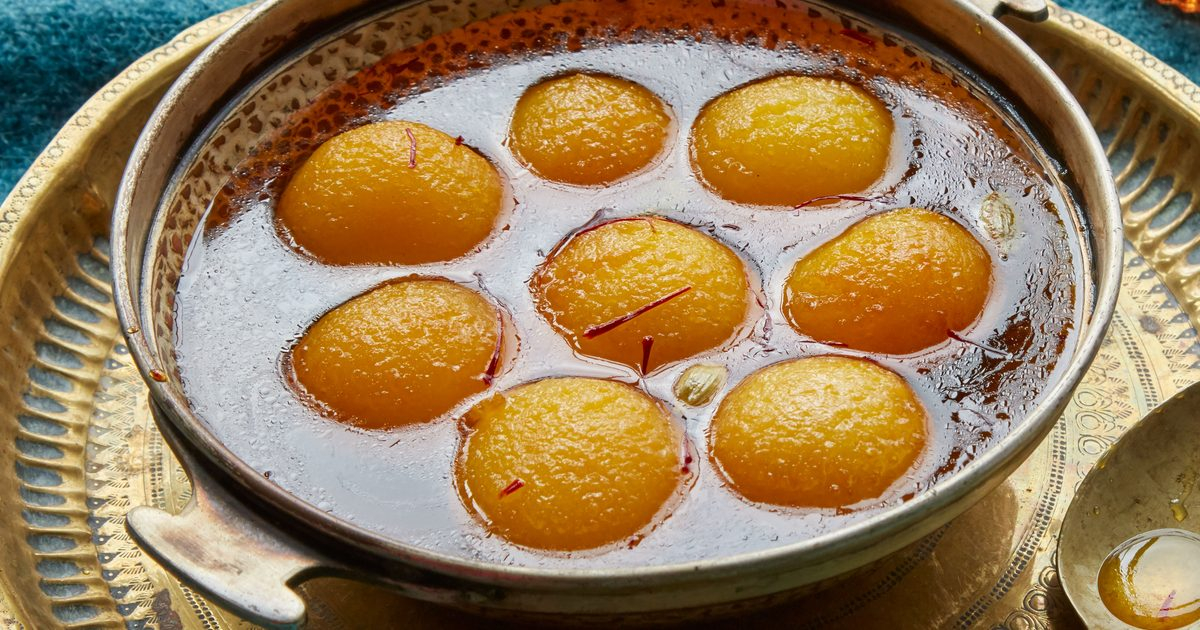
The syrup is very important because it makes the gulab jamun sweet and moist. Hence, mix sugar and water, then heat gently until the sugar dissolves completely. You can add cardamom and saffron for a nice flavor and smell.
The syrup should be a little sticky so the gulab jamun can soak up the sweetness. A few drops of rose water can give a pleasant floral scent. Warm syrup helps the fried balls absorb it easily.
Step 4: Keep the Syrup Light and Fragrant
The sugar syrup should not be too thick. If it becomes too heavy, the gulab jamuns may not absorb it properly. A light syrup moves into the fried balls more easily and helps them become juicy.
The flavor of the syrup also matters. Cardamom gives warmth, saffron adds a festive touch, and rose water brings a gentle sweetness to the aroma. You do not need to add too much of any flavoring. A small amount is usually enough to make the syrup feel special.
For better results, keep the syrup warm while the gulab jamuns are frying. It should not be boiling hot, but it should not be cold either. Warm syrup helps the sweets soak evenly without breaking apart.
Step 4: Make a Soft and Smooth Gulab Jamun Dough
The key to soft gulab jamun is making the right dough. Mix khoya or milk powder with flour and a tiny bit of baking soda. Slowly pour the milk and mix until you notice the soft dough formation.
Handle the dough gently; do not knead too much, so the gulab jamuns stay tender. A smooth dough helps make the balls soft and fluffy after frying and soaking.
Step 5: Let the Dough Rest Before Shaping
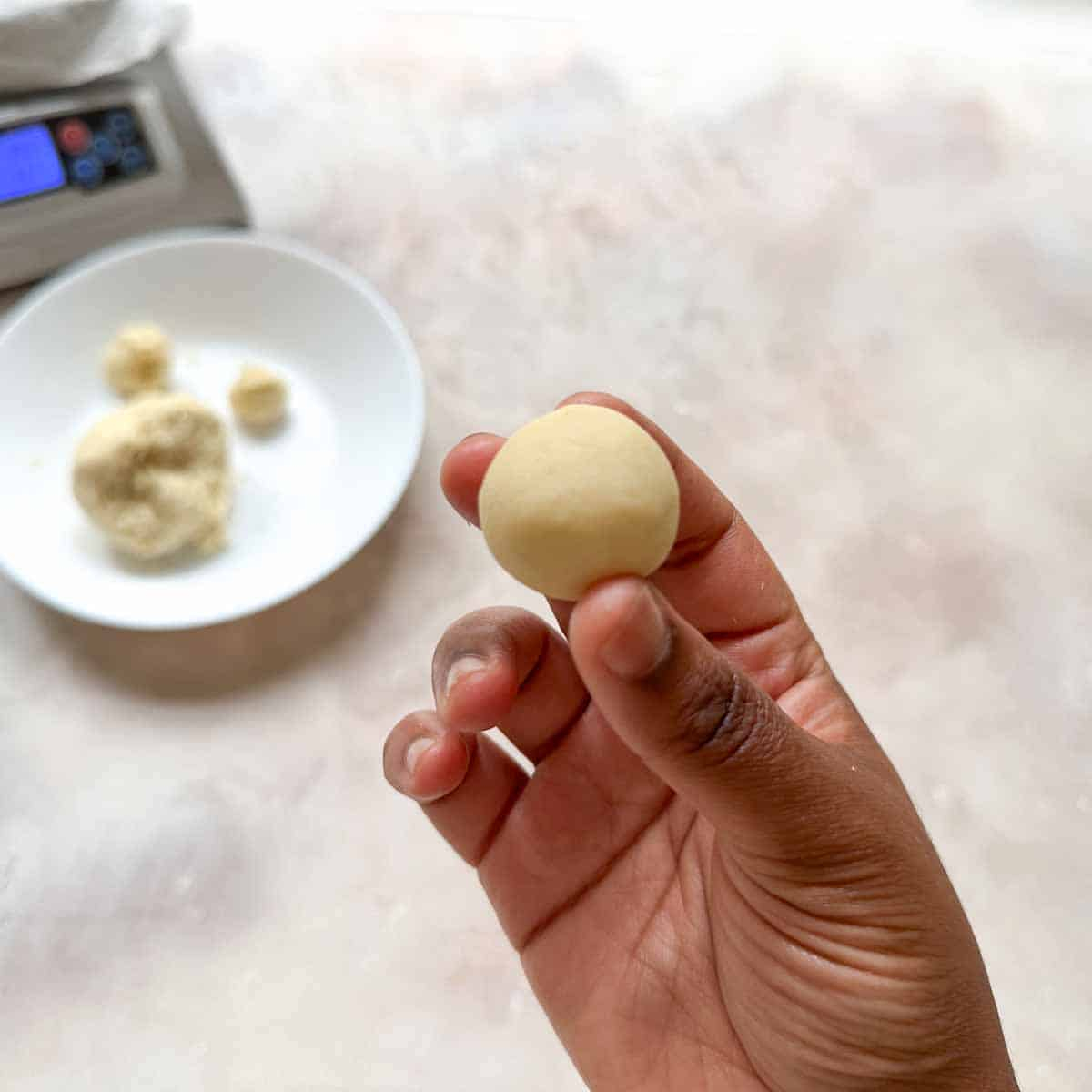
Resting the dough for a short time can make shaping much easier. When the dough rests, the ingredients settle together and the texture becomes smoother. This also helps prevent cracks while rolling the balls.
You do not need to rest it for a very long time. A few minutes are usually enough. Cover the dough with a clean cloth so it does not dry out. Dry dough can create rough balls, and rough balls may crack while frying.
This step is simple, but it helps beginners a lot. It gives you more control while shaping and makes the final gulab jamuns look neater. It also helps the balls fry more evenly and absorb syrup better later.
Step 6: Shape the Crack-Free Gulab Jamun Balls
Divide the dough into small portions and after a few minutes, roll each portion into a smooth ball. Look out for cracks, as smooth, crack-free balls help ensure even cooking and a better texture. Lightly oil your hands to make it easier to shape.
Ensure that all the balls are approximately the same size so that they cook evenly. Smooth balls are less likely to break in hot oil and look more admirable when served.
Step 7: Fry the Gulab Jamuns Until Golden Brown
Fry the balls slowly in warm oil or ghee on low heat. It helps them cook through and achieve a nice golden color. Turning them gently during frying helps them get the golden brown evenly.
Keeping the oil at the right temperature is important. When done properly, the gulab jamuns will be soft inside and golden brown on the outside.
Step 8: Soak the Gulab Jamuns for a Soft Texture
After frying, place the hot gulab jamuns in warm sugar syrup and let them soak for a few hours. During this time, they absorb the syrup, becoming soft, juicy, and full of sweetness.
This soaking process is essential for giving gulab jamuns their signature melt-in-the-mouth texture and rich flavor.
Making good gulab jamun at home can be a special event during Raksha Bandhan celebrations. Though each step takes some time, it is worth the effort when you see your family enjoying the soft, delicious sweets.
Common Shaping Mistakes to Avoid
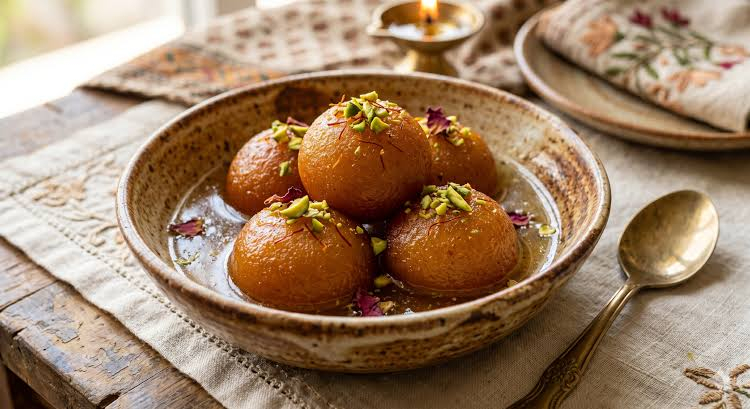
Shaping may seem simple, but small mistakes can affect the final result. If the balls are too big, they may brown outside before cooking inside. If they have cracks, they may open in the oil. If they are pressed too hard, they may become dense.
Try to avoid these common mistakes:
- Do not make the balls too large.
- Do not leave visible cracks on the surface.
- Do not press the dough too tightly.
- Do not let shaped balls sit uncovered for too long.
- Do not use dry hands while rolling.
A little patience here helps create soft and beautiful gulab jamuns.
Conclusion
Soft gulab jamun is a popular dessert for many celebrations. The secret is in the dough, the syrup and how you fry it. Little things in each step can make a huge difference in how they taste and feel.
Celebrating Rakhi with gulab jamun adds a touch of sweetness to the occasion and makes the festivities even more special. With a little patience and a little practice, you can make soft, delicious gulab jamuns that everyone will love to eat.